Marinated Flank Steak
Discover a delicious and easy marinated flank steak recipe with bold flavors from balsamic vinegar, garlic, and Worcestershire sauce. Perfect for grilling or pan-searing, this tender steak will be a hit at any meal!

Breakdown of Ingredients for Marinated Flank Steak
Each ingredient in this marinated flank steak recipe plays a vital role in creating a flavorful, tender, and balanced dish. Here’s a closer look at why these ingredients are essential:
1. Grass-Fed Flank Steak
Flank steak is a lean, flavorful cut of beef, perfect for marinating because it absorbs flavors well and tenderizes with the right ingredients. Grass-fed beef is a healthier option, offering more Omega-3 fatty acids and a rich, earthy flavor compared to grain-fed beef. Cooking it quickly at high heat helps maintain its tenderness.
2. Balsamic Vinegar
Balsamic vinegar adds a tangy sweetness to the marinade, helping to balance the richness of the beef. The acidity in the vinegar also acts as a tenderizer, breaking down the tougher muscle fibers in the flank steak, resulting in a more tender bite.
3. Coconut Sugar or Light Brown Sugar
A small amount of sugar helps to balance the acidity of the balsamic vinegar while adding a touch of sweetness. It also aids in caramelizing the steak when seared, giving it a slightly charred, delicious crust. Coconut sugar is a more natural, lower-glycemic option, but light brown sugar works just as well.
4. Garlic Cloves
Garlic provides a savory, aromatic depth to the marinade. When combined with the other ingredients, it enhances the overall umami flavor, making the steak even more satisfying.
5. Worcestershire Sauce
Worcestershire sauce adds layers of complex flavors with its mix of savory, tangy, and slightly sweet notes. It contains vinegar, molasses, and anchovies, which together enhance the meatiness of the steak and deepen the marinade’s overall flavor.
6. Salt
Salt is essential for seasoning the steak and helping the other flavors penetrate the meat. It also draws out moisture, ensuring the steak gets a good sear during cooking.
7. Black Pepper
Black pepper adds a bit of heat and balances the sweetness and tanginess of the marinade. It complements the garlic and Worcestershire sauce while enhancing the natural flavor of the beef.
If you’re looking for a flavorful and tender cut of beef, marinated flank steak is a fantastic option! With a few simple ingredients, you can elevate this lean cut into something incredibly delicious. Whether you’re grilling for a family dinner or hosting a casual barbecue, this marinated flank steak recipe is sure to impress.
Why Flank Steak?
Flank steak is a lean, flavorful cut that works well when marinated and cooked quickly at high heat. It’s best served medium-rare to medium to maintain tenderness. Since it can be a bit tough, slicing it thinly against the grain is key to maximizing tenderness. This cut is perfect for everything from tacos to steak salads, but it’s also delicious on its own!
Lets chat about how to make this incredible Marinated Flank Steak!
- Prepare the marinade: mince the garlic cloves then whisk together balsamic vinegar, sugar, Worcestershire sauce, black pepper, salt.
- Marinate the steak:
Place the flank steak in a large resealable plastic bag or shallow dish. The longer it marinates, the deeper the flavor will be. - Make sure you preheat the grill or pan:
If its on the grill, make sure its around (around 450-500°F) or use a cast iron pan if grilling is not an option. If using the pan, heat it over medium-high heat. - Grill or sear the steak:
Cook until the internal temperature reaches 130-135°F. For medium, aim for 135-145°F. - You must rest the steak!!
let it rest for 5-10 minutes. - Slice against the grain!
Tips and Tricks
Cooking grass-fed flank steak can be a little different from conventional beef due to its leaner texture and more delicate flavor. Follow these tips and tricks to ensure your balsamic-marinated grass-fed flank steak comes out tender, juicy, and packed with flavor.
1. Don’t Over-Marinate
Grass-fed beef is leaner and can break down more quickly if marinated for too long. Limit the marinating time to 1-2 hours. While the balsamic vinegar and Worcestershire sauce tenderize the meat, too much time in the marinade can make it mushy or overly acidic.
Tip: If you’re short on time, even 30 minutes of marinating will still infuse the steak with plenty of flavor!
2. Bring the Steak to Room Temperature
Before cooking, remove the steak from the refrigerator and let it sit at room temperature for about 20-30 minutes. This ensures the meat cooks more evenly and helps avoid a cold center, which can cause the steak to toughen. Grass-fed flank steak is best cooked quickly at high heat to avoid drying it out. Whether you’re using a grill or a cast-iron pan, make sure it’s preheated to a medium-high or high temperature. This ensures a nice sear on the outside while keeping the inside tender.
- Grill: Cook for about 4-6 minutes per side.
- Pan-Sear: Sear on each side for 4-5 minutes in a hot cast-iron pan.
Tip: Avoid overcooking! Grass-fed beef is lean, so aim for medium-rare (130-135°F internal temperature) for the best texture and juiciness.
4. Rest the Steak Before Slicing
After removing the steak from the grill or pan, allow it to rest for 5-10 minutes. This step is essential because it lets the juices redistribute throughout the meat, keeping the steak moist. Cutting into the steak too soon will cause all the juices to run out, resulting in a drier steak.
5. Slice Against the Grain
Flank steak has long muscle fibers, which can make it tough if not sliced properly. Always cut the steak thinly against the grain (perpendicular to the lines you see running across the meat). This shortens the muscle fibers, making each bite more tender and easier to chew.
Tip: Use a sharp knife and slice at a slight angle for the best results.
6. Don’t Overcook
Since grass-fed beef is leaner than conventional beef, it’s more prone to overcooking. Once it hits medium-rare (130-135°F), take it off the heat. If you prefer medium, aim for an internal temperature of 135-145°F. Overcooking can result in a tough, dry steak.
Tip: Use a meat thermometer to ensure perfect doneness. It’s a simple tool that takes the guesswork out of cooking steak.
7. Baste for Extra Flavor
If you’re cooking the steak in a pan, baste it with the remaining marinade or a bit of butter during the last couple of minutes. This adds extra flavor and moisture, making the steak even more irresistible.
Bonus Tips:
- Grass-fed beef cooks 25-30% faster than grain-fed beef due to its lower fat content, so keep a close eye on the steak as it cooks.
- Resting Time: Let grass-fed beef rest longer than grain-fed (up to 10 minutes), as it needs more time for the juices to settle.
- Marinate for longer:
While 4 hours will do the job, marinating for up to 12 hours will enhance the flavors even more. - Cook it hot and fast:
Flank steak is best cooked quickly over high heat. This prevents it from becoming tough. - Resting is key:
Allowing the steak to rest after cooking helps lock in those delicious juices. - Cut against the grain:
Always slice flank steak against the grain to ensure the most tender bites.
Marinated Flank Steak
Ingredients
- 1 lb Flank Steak
- 1/4 cup Balsamic Vinegar
- 1 tbsp Coconut or Light Brown Sugar
- 2 Garlic Cloves minced
- 1 tbsp Worcestershire Sauce
- 1/2 tsp Salt and Black Pepper
Instructions
- In a medium bowl, whisk together balsamic vinegar, minced garlic, Worcestershire sauce, sugar, black pepper and salt
- Place the flank steak in a large resealable plastic bag or shallow dish. Pour the marinade over the steak, ensuring it’s evenly coated. Seal the bag or cover the dish with plastic wrap. Refrigerate for at least 4 hours, but for best results, let it marinate overnight or up to 12 hours. The longer it marinates, the deeper the flavor will be.
- When you’re ready to cook, preheat your grill to high heat (around 450-500°F) or use a cast iron pan if grilling is not an option. If using the pan, heat it over medium-high heat.
- Remove the steak from the marinade, allowing any excess to drip off. Grill the steak for about 4-6 minutes per side, depending on thickness, until it reaches your desired doneness. For medium-rare, cook until the internal temperature reaches 130-135°F. For medium, aim for 135-145°F.
- Tip: If using a cast iron pan, sear the steak on both sides for 4-5 minutes, then finish it in the oven at 400°F for a couple of minutes, if needed.
- Once the steak is done, remove it from the grill or pan and let it rest for 5-10 minutes. This allows the juices to redistribute, ensuring a juicy and tender result.
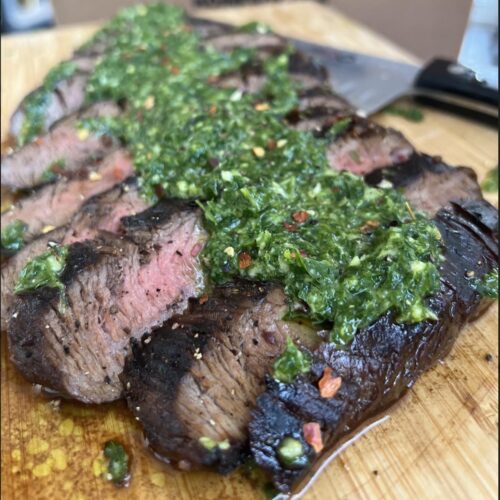
- Slice the steak thinly against the grain. This step is crucial for maximizing tenderness, as cutting against the grain shortens the muscle fibers, making the meat easier to chew.
- Garnish with fresh herbs, like parsley or cilantro, and serve with your favorite sides like grilled veggies, a fresh salad, or roasted potatoes.